What to Look For in a Water Bottle
Most of the decision comes down to one axis: how much weight are you willing to trade for durability and insulation.
Material — The Core Trade-off
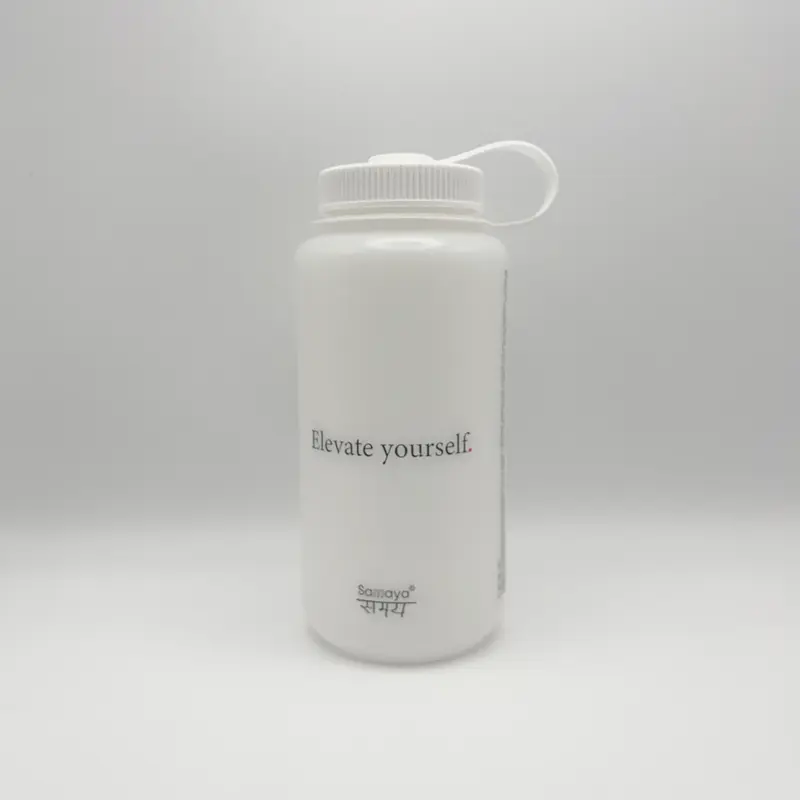
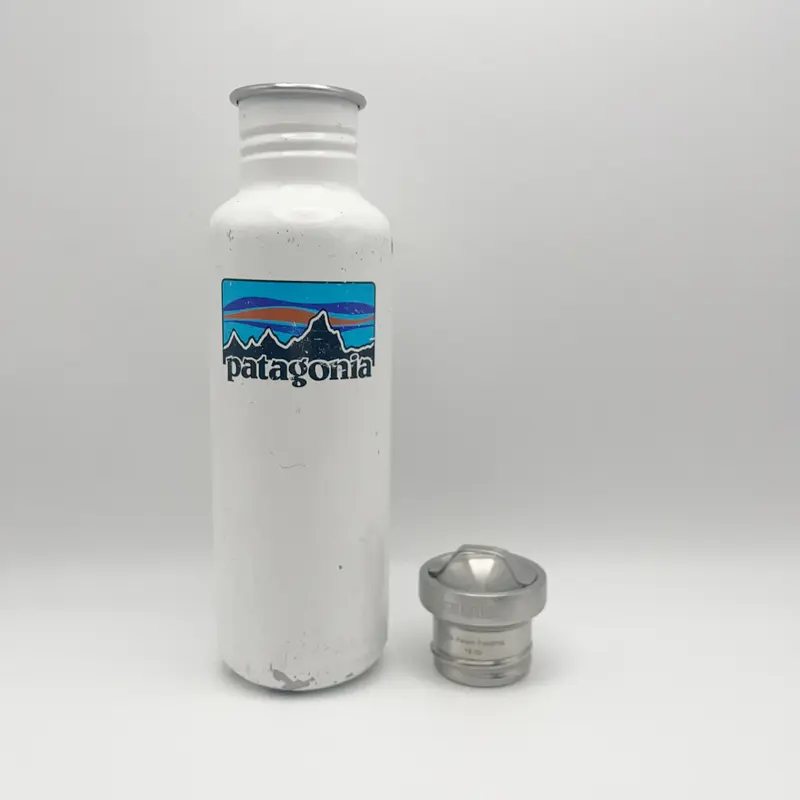
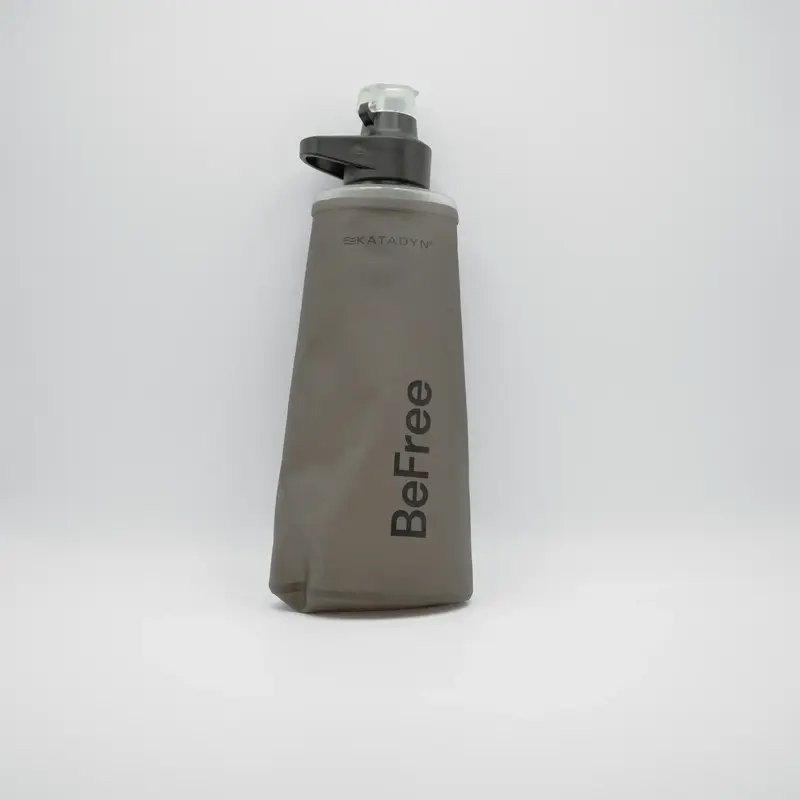
HDPE plastic (what Nalgene uses) is the lightest rigid option, BPA-free, nearly indestructible, and costs very little. The downside: water tastes faintly of plastic after sitting warm for a while. Stainless steel — Kleen Kanteen is the benchmark — is heavier but taste-neutral, and the insulated versions keep water cold for hours. If weight is your priority on the trail, plastic wins. If you're commuting or want temperature retention, stainless makes sense. Soft collapsible bottles save the most space but are harder to fill, harder to clean, and less satisfying to use day to day.
Capacity
500ml to 1L covers most use cases. 500ml is the commuter and half-day hike sweet spot — light, pocketable, easy to drain and refill. 1L earns its weight on full-day hikes where refill points are sparse. Going bigger adds mass fast; carry two smaller bottles if you need volume for remote stretches.
Insulation
Insulated double-wall bottles keep water cold for hours and hot drinks warm — but they're heavier, bulkier, and meaningfully more expensive. For hiking, uninsulated is almost always the right call: you refill often enough that temperature barely matters, and the weight penalty of insulation adds up. Save the insulated bottle for the office, the car, or summer days in the city.
BPA-Free Construction
Non-negotiable. Any bottle worth buying in 2026 is BPA-free — the spec has become table stakes, not a premium feature. If a bottle doesn't state it clearly, skip it. For plastic bottles, look for HDPE or Tritan copolyester specifically; both are rigorously tested and widely used by trusted manufacturers.
What a Good Water Bottle Has
Lid Design
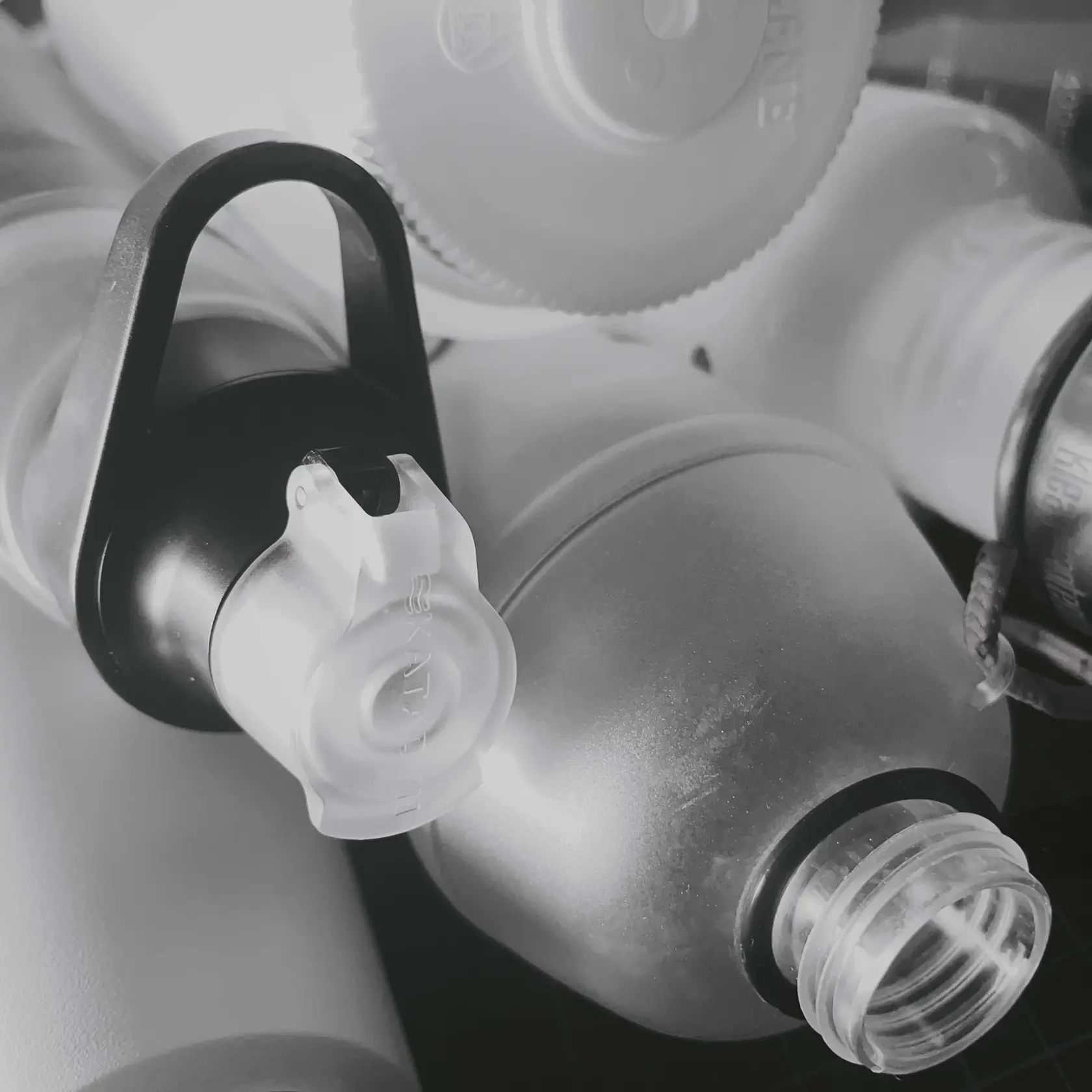
Wide-mouth screw caps are the most practical: easy to fill from any source, easy to add ice, and simple enough that nothing breaks. Narrow-mouth lids feel better to drink from but restrict cleaning access. Bite valves and straw lids are convenient but add parts that wear out and harbour bacteria if not cleaned properly. For hiking, a wide-mouth cap with a carry loop covers everything.
Weight
A standard Nalgene 1L weighs around 180g empty. An insulated stainless steel 1L bottle runs 350g or more. On a day hike that difference is minor; over a long tour it compounds. Ultralight versions — like the Nalgene Canteen collab with Samaya — cut to under 100g for 1L with thinner walls and stripped hardware. Worth it if grams matter; overkill if they don't.
Durability and Longevity
A bottle you use for ten years costs less per year than a cheap one you replace every season — and generates far less waste. Nalgene's thick HDPE walls handle drops, freezing, and abuse without cracking. Stainless steel develops dents but never fails structurally. Avoid thin plastic bottles and anything with complex lid mechanisms: complexity is where bottles go to die.
Cleanability
Wide-mouth openings are the difference between a bottle you actually clean and one you rinse and hope for the best. Most quality bottles are dishwasher-safe on the top rack; check before assuming. If you use it for anything other than water — coffee, electrolyte drinks — a bottle brush and regular deep cleans prevent off-tastes and mold at the lid gasket. Simple construction means fewer places for residue to hide.
Filter Compatibility
Some bottles integrate a filter element in the lid — Hydro Flask's filter cap is a solid example — which turns any water source into drinkable water without a separate filter. Useful for travel or hiking in uncertain terrain. It's not a deciding factor for most people, but worth knowing the option exists if you're buying for remote use.
The Bottle Worth Carrying
Buy quality, use it for a decade, and you've already made the most sustainable and economical choice in the category. If you hike, lean light — a Nalgene wide mouth in HDPE is trusted by more serious hikers than anything else on the market and costs a fraction of what insulated bottles do. If you want stainless, Kleen Kanteen has been the benchmark for years and remains the honest pick. Either way, the decision that matters most is the one you actually use every day — and that's almost always the lighter one.